Health

Top 5 Doctor-Approved Foods That Help Lower Blood Pressure Naturally

Top 5 Doctor-Approved Foods That Help Lower Blood Pressure Naturally

May 24, 2025 | 829 Views

To lower the risk of heart disease, stroke, and kidney problems, it is crucial to keep blood pressure at a healthy level. Some foods, as backed by scientific studies, can assist in naturally reducing blood pressure. Bananas contain a lot of potassium, which aids in eliminating excess sodium from the body. Dark chocolate is a source of magnesium and flavonoids, which enhance nitric oxide levels and improve blood vessel function. Natural nitrates found in beetroot boost nitric oxide production, resulting in improved circulation. Pomegranates are rich in antioxidants that reduce the levels of enzymes associated with high blood pressure. Ginger serves as a natural calcium channel blocker, aiding in the relaxation of blood vessels. Incorporating these foods, which are rich in nutrients, into your everyday diet can help regulate blood pressure and foster general heart health in a straightforward and efficacious manner.

Lower Your Heart Attack Risk: Doctor-Approved Daily Habits You Can Start Today

Lower Your Heart Attack Risk: Doctor-Approved Daily Habits You Can Start Today

May 10, 2025 | 716 Views

Though many of its risk factors are under our control, heart disease is nevertheless one of the world's top causes of mortality. The risk of a heart attack can be considerably decreased and long-term heart health can be enhanced by implementing easy daily routines. Increased outdoor time promotes wellbeing by allowing for movement, sunlight, and fresh air. Going to bed earlier and prioritizing good sleep promotes hormonal balance and healing. Reducing screen time makes time for healthier activities, improves sleep quality, and reduces stress. Grounding, or standing barefoot outside, might enhance circulation and lessen inflammation. Lastly, practicing gratitude on a daily basis helps lower stress and strengthen the heart. When made regularly, these minor lifestyle adjustments can have a significant long-term effect on heart health.

How Effective Is Okita Nail Fungus Light for Persistent Nail Infections?

How Effective Is Okita Nail Fungus Light for Persistent Nail Infections?

Apr 27, 2025 | 705 Views

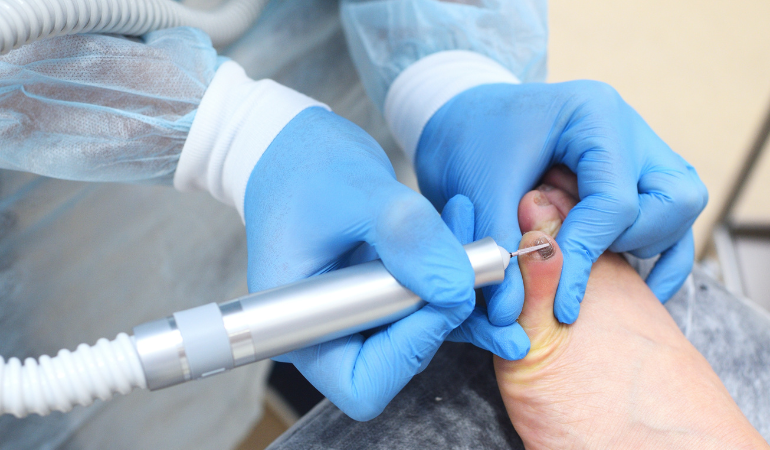
The Okita Nail Fungus Light offers a contemporary, medication-free approach to persistent nail fungus. It employs Low-Level Laser Therapy (LLLT) to address fungal infections directly at their source, reaching deep into the nail bed where the fungus flourishes. This device fosters natural healing and healthier nails in the long term, unlike creams or oral medications that can cause side effects or provide only temporary relief. Using it regularly, two to three times a day for seven to ten minutes, can result in noticeable improvements within a few weeks. A number of users have noted that their nails are cleaner and smoother, with less discoloration and brittleness. Due to its uncomplicated design and gentle technology, it is a practical and low-cost choice for those looking for a quick and effective at-home solution for nail fungus.

Natural Remedy? This Spice Shows Potential Against Superbugs

Natural Remedy? This Spice Shows Potential Against Superbugs

Nov 30, -0001 | 909 Views

Superbugs, also known as antibiotic-resistant bacteria, are a major concern to public health because they have evolved to resist even the most potent drugs.  Researchers from Texas A&M have discovered a possible breakthrough with turmeric's key ingredient, curcumin.Antibiotic-resistant bacteria are weakened or eliminated by curcumin, which is provided as a bacterial food supply and activated by light.  By lowering bacterial resistance, this technique—known as photodynamic inactivation—restores the effectiveness of conventional antibiotics. Treatment for drug-resistant types of pneumonia and superbugs like MRSA is becoming more challenging.  However, a promising substitute to fight resistance is provided by the antibacterial qualities of curcumin in conjunction with light exposure.This novel strategy could be extremely important in the battle against antibiotic-resistant diseases by reducing bacterial variety and enhancing antibiotic efficacy.