
Health

Household Plastics May Disrupt Body Clock Similar to Caffeine

Household Plastics May Disrupt Body Clock Similar to Caffeine

May 14, 2025 | 1001 Views

A recent study published in Environmental International suggests that chemicals found in common plastic products such as PVC and polyurethane could interfere with the body’s natural sleep-wake cycle, akin to the effects of caffeine. These plastics disrupt signals in human cells that control alertness and sleep, thereby interfering with the circadian rhythm, according to researchers’ findings. The disruption occurred more quickly than with established hormone-disrupting chemicals. This disruption of the body’s circadian rhythms can raise the likelihood of developing sleep disorders, diabetes, and possibly cancer. Health could be affected over time by common household products made from such plastics, without any warning. The results emphasize the possible concealed threats of commonly utilized plastic substances in everyday life and evoke worries regarding prolonged exposure.  

Nuts, Seeds, and a Balanced Diet Could Help Prevent Diverticulitis

Nuts, Seeds, and a Balanced Diet Could Help Prevent Diverticulitis

May 13, 2025 | 743 Views

New research confirms that nuts and seeds do not increase the risk of diverticulitis, challenging previous dietary advice. The study followed nearly 30,000 women with no history of the disease and found that those who adhered to healthy diets—such as the DASH diet, Mediterranean diet, and other balanced eating patterns—had a reduced risk of developing diverticulitis. These findings align with earlier research in men and suggest a shift in dietary recommendations. Experts now agree that a high-fiber diet, including nuts, seeds, fruits, and vegetables, supports colon health. While severe cases of diverticulitis may require surgery, most mild cases can be managed with diet and monitoring.

Lower Your Heart Attack Risk: Doctor-Approved Daily Habits You Can Start Today

Lower Your Heart Attack Risk: Doctor-Approved Daily Habits You Can Start Today

May 10, 2025 | 763 Views
Though many of its risk factors are under our control, heart disease is nevertheless one of the world's top causes of mortality. The risk of a heart attack can be considerably decreased and long-term heart health can be enhanced by implementing easy daily routines. Increased outdoor time promotes wellbeing by allowing for movement, sunlight, and fresh air. Going to bed earlier and prioritizing good sleep promotes hormonal balance and healing. Reducing screen time makes time for healthier activities, improves sleep quality, and reduces stress. Grounding, or standing barefoot outside, might enhance circulation and lessen inflammation. Lastly, practicing gratitude on a daily basis helps lower stress and strengthen the heart. When made regularly, these minor lifestyle adjustments can have a significant long-term effect on heart health.

How Effective Is Okita Nail Fungus Light for Persistent Nail Infections?

How Effective Is Okita Nail Fungus Light for Persistent Nail Infections?

Apr 27, 2025 | 765 Views
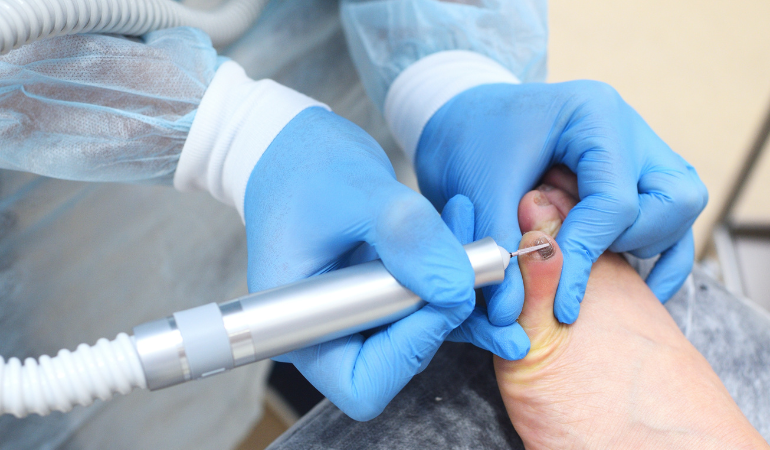
The Okita Nail Fungus Light offers a contemporary, medication-free approach to persistent nail fungus. It employs Low-Level Laser Therapy (LLLT) to address fungal infections directly at their source, reaching deep into the nail bed where the fungus flourishes. This device fosters natural healing and healthier nails in the long term, unlike creams or oral medications that can cause side effects or provide only temporary relief. Using it regularly, two to three times a day for seven to ten minutes, can result in noticeable improvements within a few weeks. A number of users have noted that their nails are cleaner and smoother, with less discoloration and brittleness. Due to its uncomplicated design and gentle technology, it is a practical and low-cost choice for those looking for a quick and effective at-home solution for nail fungus.

Should almonds and raisins be soaked in colder months?

Should almonds and raisins be soaked in colder months?

Apr 24, 2025 | 747 Views

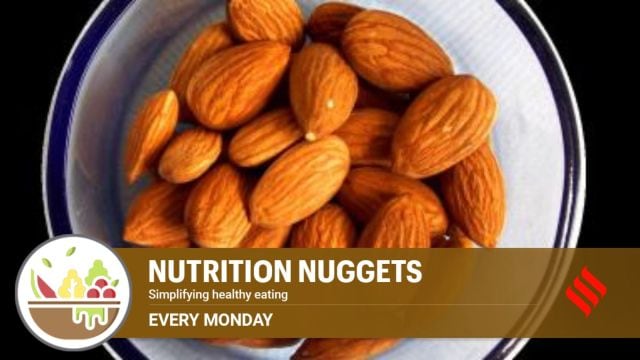
Almonds are rich in monounsaturated fats, which are heart-healthy fats that can help reduce bad cholesterol levels. They contain plant-based proteins, making them an excellent snack for vegetarians or anyone seeking to increase their protein intake. They are packed with essential vitamins and minerals like vitamin E, magnesium, calcium and potassium. Vitamin E acts as an antioxidant, protecting cells from oxidative damage, while magnesium and potassium help regulate blood pressure. A good source of dietary fibre, almonds help improve digestion and keep you feeling full, which can slow down blood glucose release and help with weight management. Raisins are dried grapes that have a natural sweetness, are a powerhouse of antioxidants, fibre and minerals. They contain natural sugars, a quick source of energy, making them ideal for a mid-day snack or as part of a workout recovery meal. They are rich in polyphenolic compounds, particularly flavonoids, which can help reduce inflammation and oxidative stress in the body. Rich in iron and potassium and high in fibre too. Soaking almonds overnight improves their digestibility and nutrient absorption. In winter, your digestion does get affected because your body’s metabolism slows down to conserve heat. Besides, soaking removes enzyme inhibitors, allowing your body to better access the almond’s vitamins and minerals. Additionally, soaked almonds are less likely to cause digestive discomfort, such as bloating, since soaking softens the almond’s tough skin. It is easier to chew as in winter our bodies crave something softer and more hydrating.